


Legendary Japanese manga artist Masami Kurumada held a press conference in Tokyo on September 2, revealing that three copyright-management companies under his control were systematically drained of funds by a former manager and associates over many years, with alleged losses totaling ¥4.686 billion (about HK$233 million). On the same day, Kurumada Production and two related entities filed a civil damages lawsuit at the Tokyo District Court, seeking ¥2.89 billion from seven individuals and four affiliated companies; authorities had already helped recover roughly ¥1.8 billion after the scheme came to light.
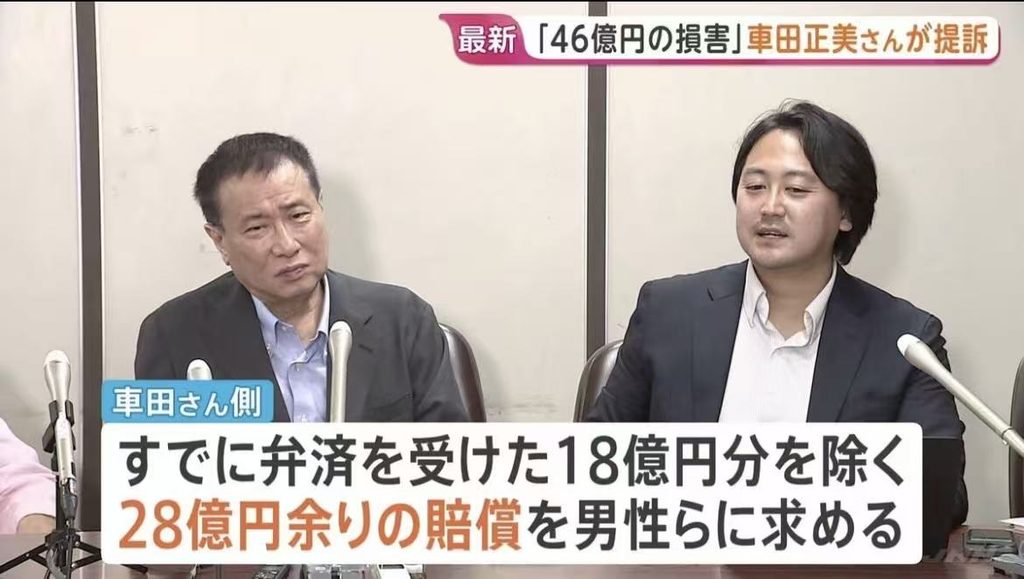
At the press conference, the 72-year-old creator spoke solemnly, recalling how a 2024 tax audit by the Tokyo Regional Taxation Bureau exposed that his companies’ accounts had been nearly emptied—leaving them unable to pay massive tax bills and pushing the copyright business to the brink of collapse. He said that beyond anger, he felt profound emptiness and disbelief that partners he had fully trusted could betray him over such a long period for personal gain. Despite the shock, Kurumada pledged to continue creating and to repay the support of fans worldwide.
According to court filings and materials presented at the conference, the main suspect first served as Kurumada’s editor in the 2000s before becoming his manager and a director of all three copyright companies, taking full control of finance, accounting, overseas licensing negotiations, and all external business. To focus on manga creation, Kurumada delegated administrative and financial management entirely to him. The manager allegedly told partners for years that “Kurumada is an artist who does not deal with the outside; all business must go through me,” effectively cutting off direct contact between the author and licensees and monopolizing information and cash flows for up to 25 years.
Prosecution materials indicate that between 2018 and 2024, the group diverted company revenues through multiple methods: unauthorized transfers of corporate funds and the creation of shell companies with names similar to Kurumada’s entities,inducing business partners to remit global licensing fees for Saint Seiya directly into accounts they controlled. Much of the misappropriated money was reportedly invested in high-risk assets such as cryptocurrencies. When tax authorities raised questions, the suspects allegedly forged Kurumada’s signature and seal and submitted false documents to conceal abnormal fund flows; the full scale of the scheme only emerged after deeper tax audits.
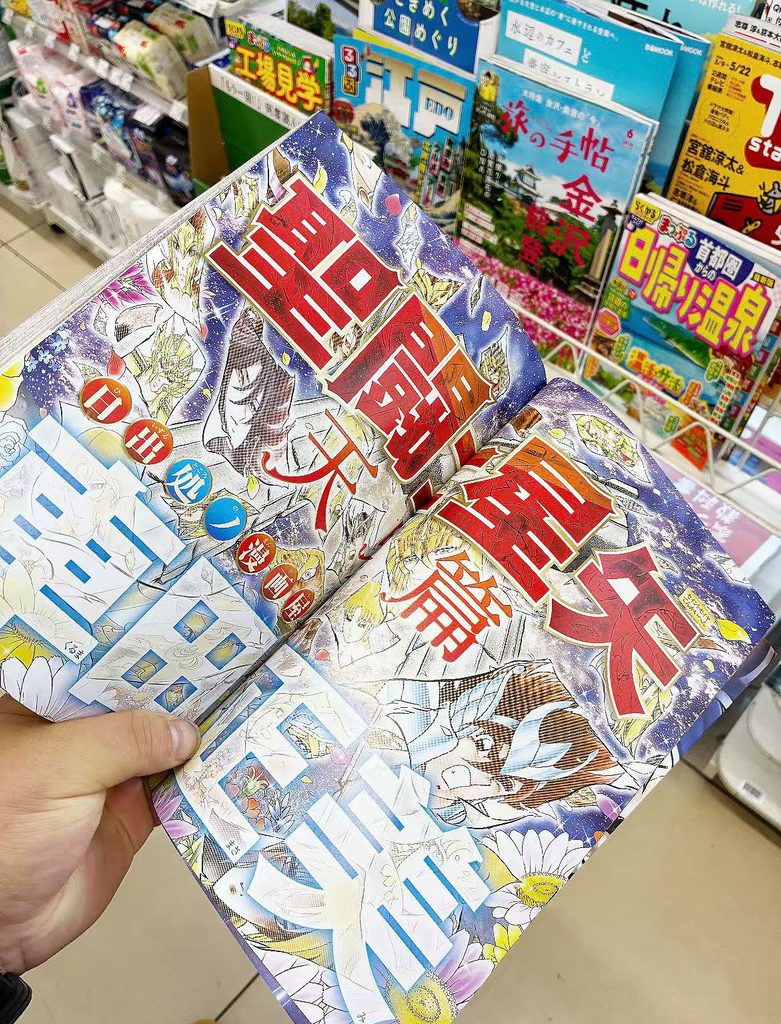
Kurumada’s Saint Seiya has become a global franchise, with tankōbon manga sales exceeding 50 million copies; its IP value chain spans anime, theatrical films, mobile games, merchandise, and overseas licensing. Other classic titles such as Fūma no Kojirō and Ring ni Kakero also remain influential across Asia. Following disclosure, Kurumada’s side immediately dismissed the implicated executives and launched an internal financial restructuring.
The case has drawn close attention from Japan’s copyright and entertainment sectors, highlighting governance risks when prominent IP creators outsource commercial operations. With judicial proceedings now underway, the market and global fans will be watching the trial and the progress of fund recovery.
















Leave a comment