


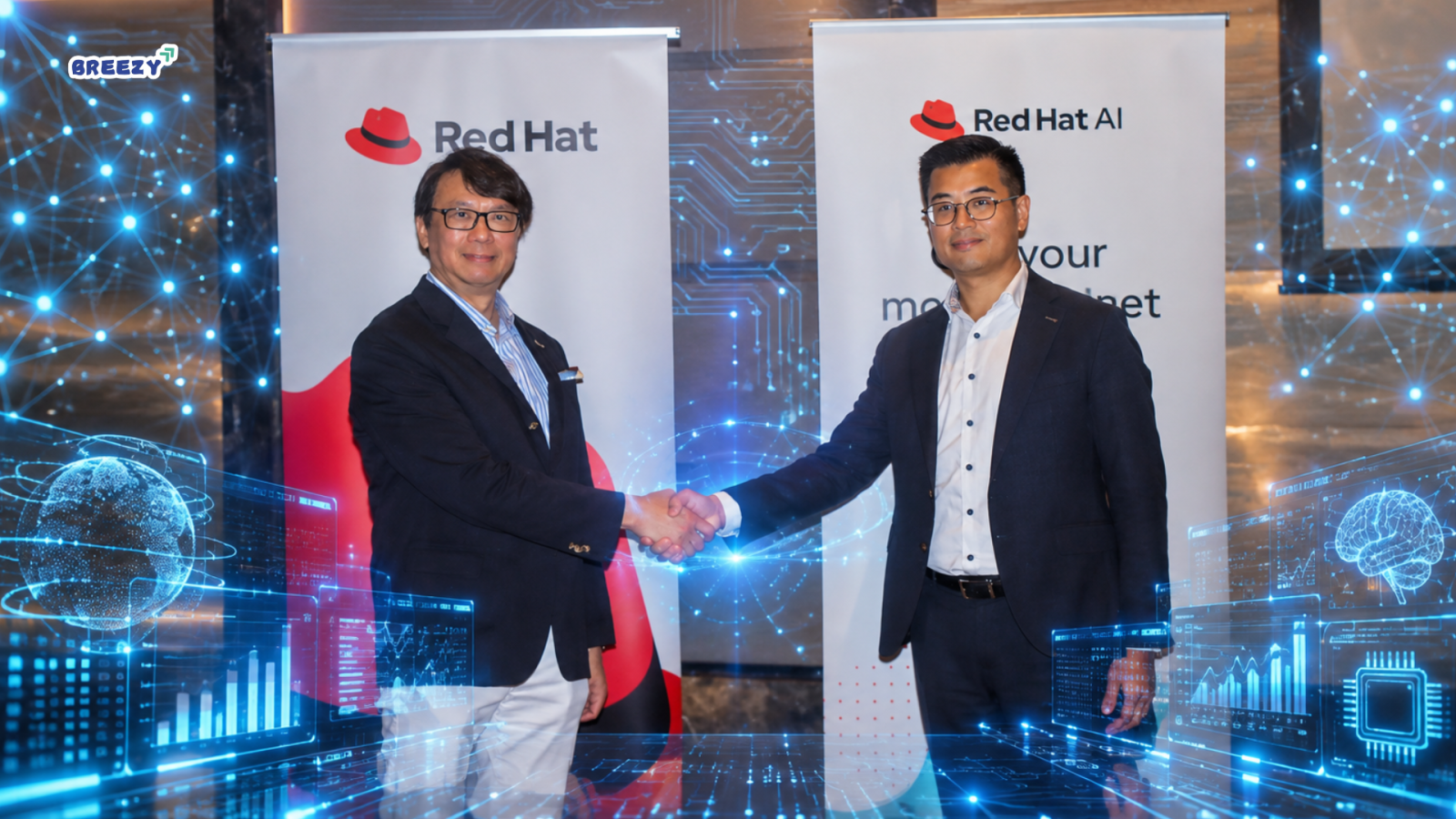
Artificial intelligence (AI) has become an inseparable part of daily life, and large enterprises are gradually integrating it into their workflows to boost productivity. Local financial institutions in Hong Kong are also beginning to adopt it cautiously. What challenges do they face in the process?
Generative AI Tool Launched in Just Three Months
Fubon Bank (Hong Kong) has leveraged Red Hat’s open-source technology to integrate AI hardware acceleration into OpenShift, simplifying the deployment of large language models (LLMs) and containerized AI applications. This has reduced model go-live time from several weeks to just a few days.
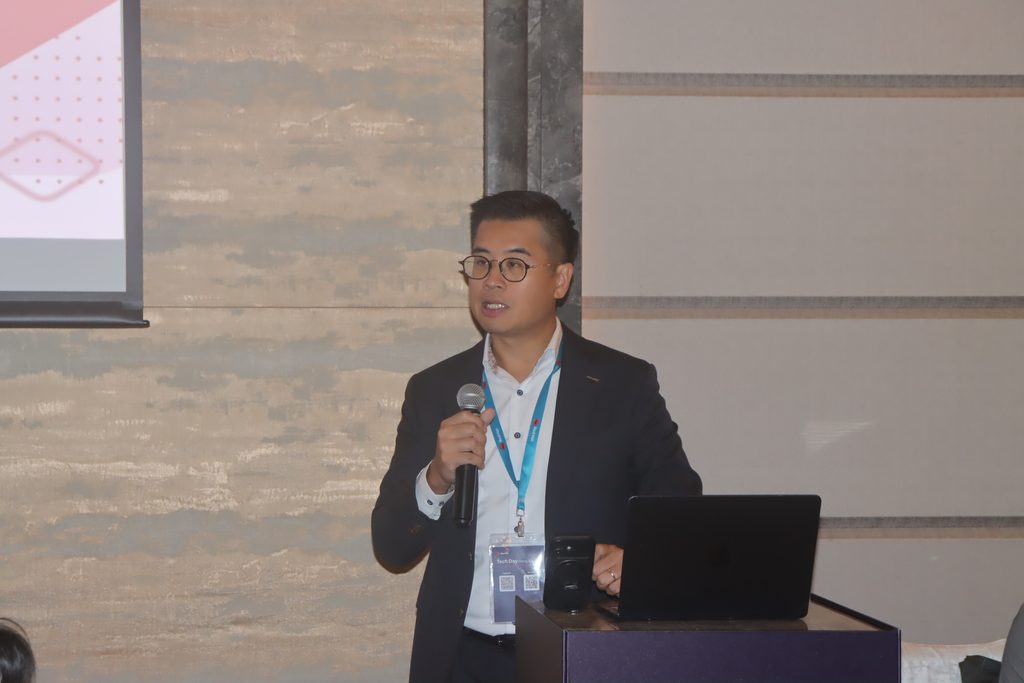
Darren Tsang, Senior Vice President, Head of Enterprise Data Platform, AI and RegTech Division at Fubon Bank, explained that the bank’s newly launched generative AI tool, COSIE, helps employees create presentations, write code, build data dashboards, compile report summaries, and convert meeting audio into text and meeting minutes in real time.
We hope COSIE can save colleagues’ time. Beyond improving productivity, the most important goal is to enhance their AI literacy
The project took only three months from planning to its first trial run. Citing an internal survey conducted last month, he noted that some employees used the tool more than 200 times per month, reflecting strong adoption.
Strict Banking Compliance Means AI Cannot Be Left Unsupervised
Hong Kong’s financial institutions have long been known for their rigorous compliance standards. What challenges arise when using AI?
Darren shared that the Hong Kong Monetary Authority (HKMA) has set two key requirements for AI:
- Explainability: AI solutions must be able to provide a high-level explanation of why a particular answer was generated and whether it could result in unfair outcomes for customers.
- Fairness: AI decisions must not introduce bias or injustice.
Therefore, in scenarios that affect customer rights and interests, the bank insists on final human oversight. For internal, non-sensitive processes — such as generating meeting reports or presentations — a higher degree of automation is acceptable. “AI still carries the risk of hallucination and cannot achieve 100% accuracy like traditional software, so critical decisions will never be fully automated,” he stressed. In addition, novel or unknown cases that lack historical data also require professional human judgment.
Personal AI Agents May Transform Banking Services
Looking ahead, Tsang believes that personal AI agents will become a key development direction. Customers may no longer need to frequently open banking apps; instead, they could query products or use wealth management services through AI agents via the bank’s open APIs.
Under this model, banks would focus more on providing secure APIs and underlying financial services. He believes this approach could reduce front-end maintenance costs and compliance risks.
Peter Man, General Manager of Hong Kong, Macau and Greater Bay Area at Red Hat, observed that local enterprises currently adopt three main attitudes toward AI: conservatives believe the technology is not yet mature; proactive players have already drawn up roadmaps to explore how AI can improve efficiency, cut costs, or even replace certain jobs or manpower; and the rest remain in a wait-and-see or planning stage.
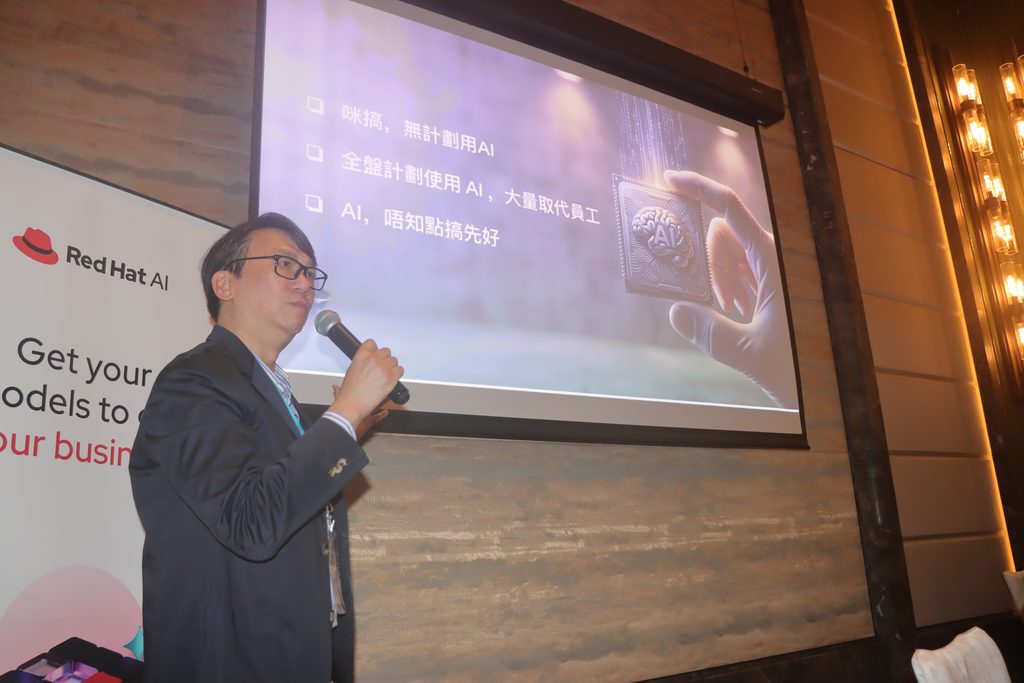
He concluded that AI is not merely a technology but also a culture and an ongoing evolutionary process. Regardless of the pace an enterprise chooses, successful projects must be safe, reliable, and deliver tangible returns.














Leave a comment