


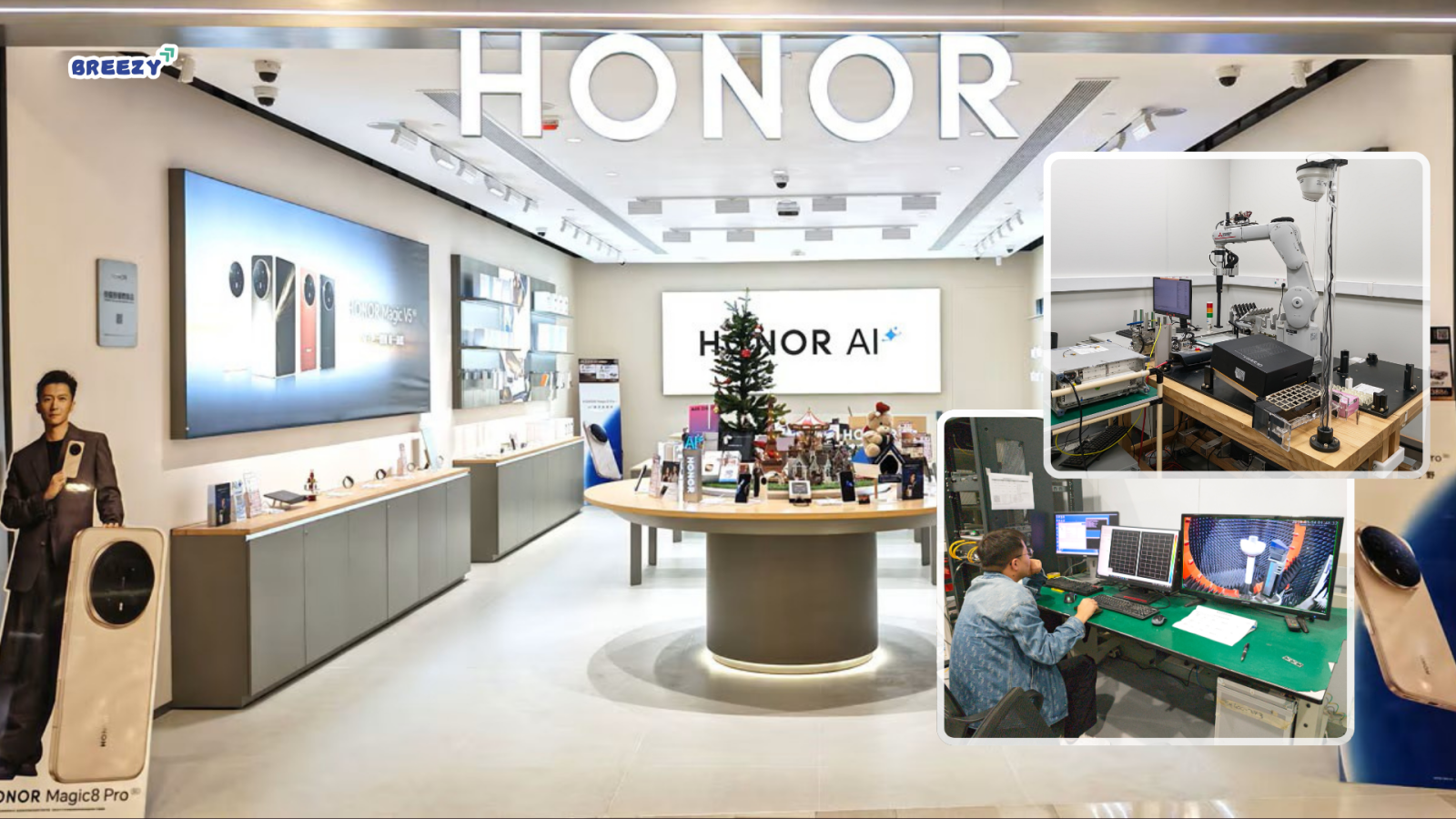
The smartphone market is no longer as vibrant as it once was. Major brands have dominated for years, making it difficult for newcomers to break in. Yet a few bold contenders have still managed to carve out solid results.
In recent years, HONOR’s strategy in the mid-range smartphone segment has shifted from pure specification battles toward rebuilding product value through artificial intelligence, durability, and scenario-based experiences.
The product approach of the HONOR X series clearly shows the brand’s intent to gradually bring flagship-level technologies down to more accessible price points, while addressing the real needs of different user groups — including seniors, students, and outdoor workers — to establish a differentiated position in a fiercely competitive and highly homogenized market.
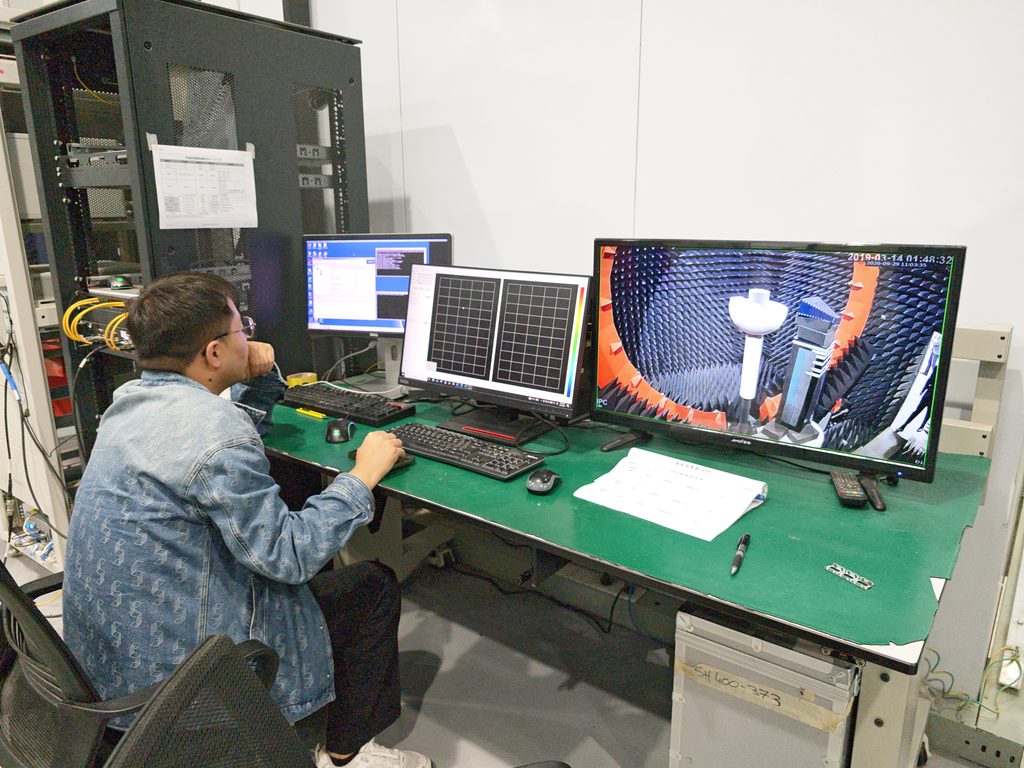
To better understand just how capable HONOR’s products really are, a reporter visited the company’s Honor laboratory in Xi’an for an in-depth look.
Bringing AI Imaging to the Mid-Range Market
AI imaging has become a key focus of the HONOR X series in recent years. Honor imaging expert Quan Yuhuan explained that the upgrades are not simply about adding more hardware. Instead, they improve NPU utilization efficiency and combine on-device and cloud computing models, enabling mid-range chips to handle more complex imaging tasks.

In other words, the competitive focus is no longer limited to megapixel counts, sensor sizes, or digital zoom ratios. It now centers on whether the system can understand light and shadow, recognize shooting scenes, and help users capture more refined moments.
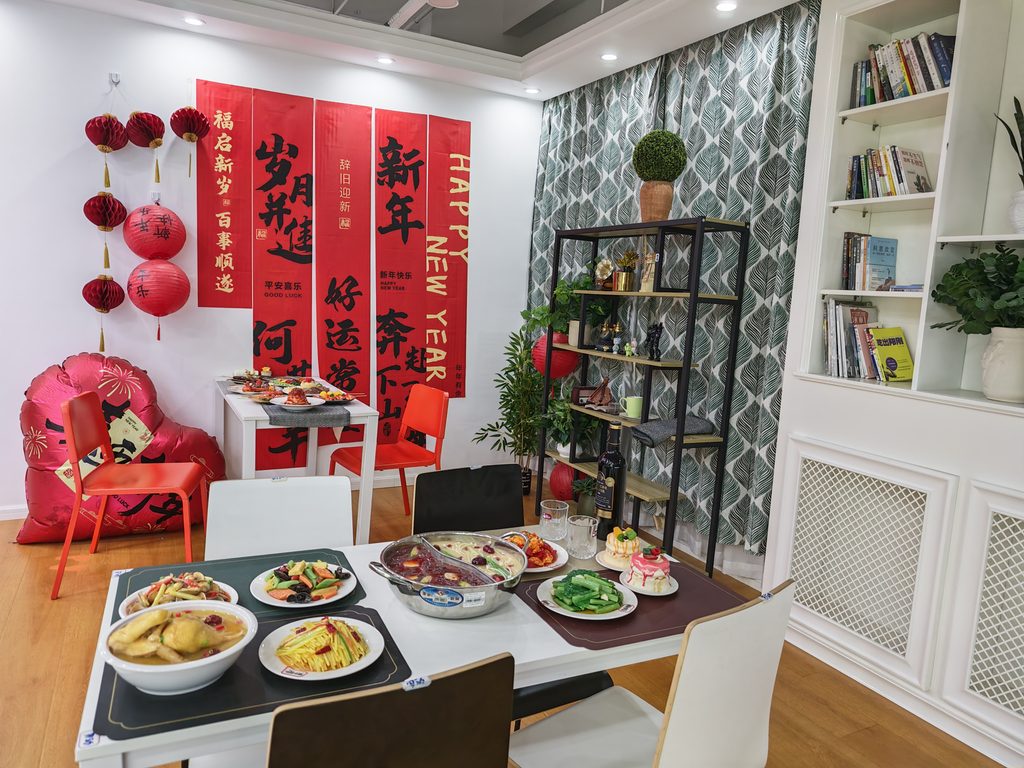

This “democratized AI imaging” approach reflects HONOR’s goal of lowering the barrier to advanced technology. For younger users who rely on their phones to document daily life and create social media content, improved imaging experience could become an important factor in their next mid-range upgrade decision.

From Performance Race to Reliable Experience
Drop resistance, water resistance, and large battery capacity have become core hallmarks of the HONOR X series. However, HONOR product expert Deng Chen noted that this does not mean the brand has abandoned performance competition. Rather, it seeks a more balanced approach across chipset, display, AI features, battery life, and durability.
The X series adopts the new-generation Snapdragon 6 platform, paired with MagicOS system-level resource scheduling and optimizations for popular games. These enhancements improve frame-rate stability, response speed, and multitasking performance.
Notably, HONOR also highlighted the fluidity improvements of “Hummingbird Architecture 2.0,” aimed at reducing lag during app launches, interface switching, and prolonged use. As consumers increasingly value device longevity and long-term ownership costs, the value of mid-range phones is expanding from “Day-1 benchmark scores” to whether the experience remains stable years later.
Expanding the Audience Through Scenario-Based Design
At the system level, HONOR is extending its product positioning to different life scenarios. For older users, the X series offers an Easy Mode that enlarges fonts and icons, simplifies the home-screen layout, and strengthens access to frequently used functions — lowering the barrier to entry. Combined with 400% ultra-loud volume and an eye-care display, it enhances convenience for everyday calls, reading, and mobile payments.
For outdoor workers, the phones emphasize strong-light display optimization, severe-weather alerts, and enhanced network and positioning capabilities. These features, together with water and drop resistance plus long battery life, address the need for reliable communication, navigation, and screen visibility during extended outdoor work.
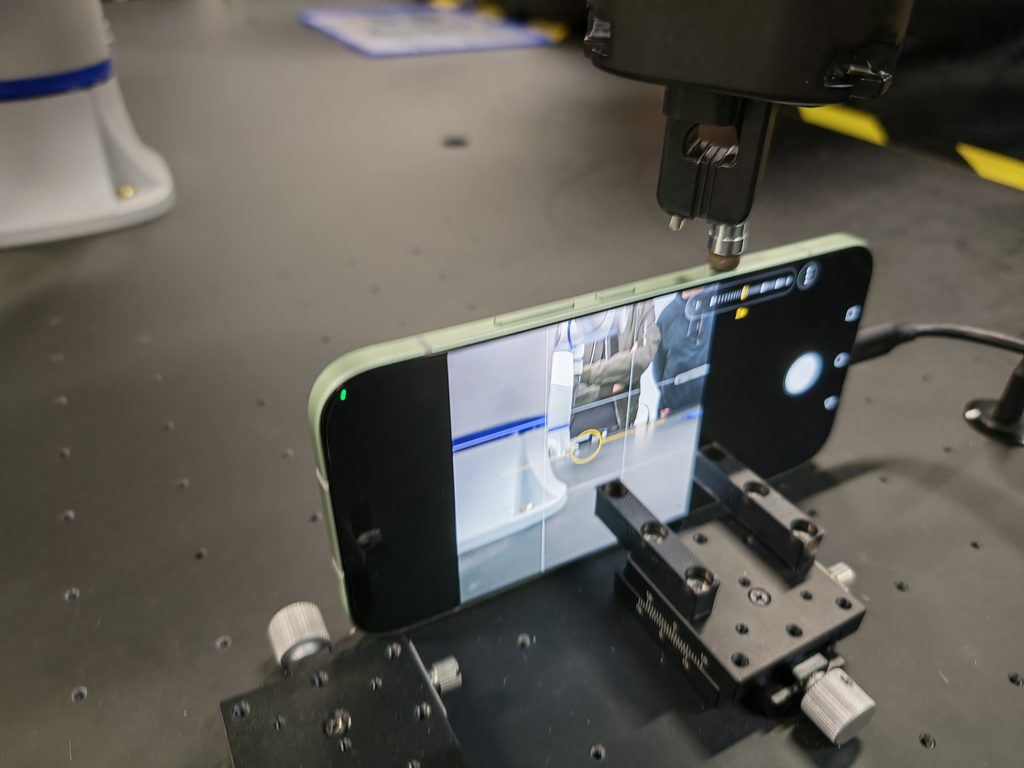
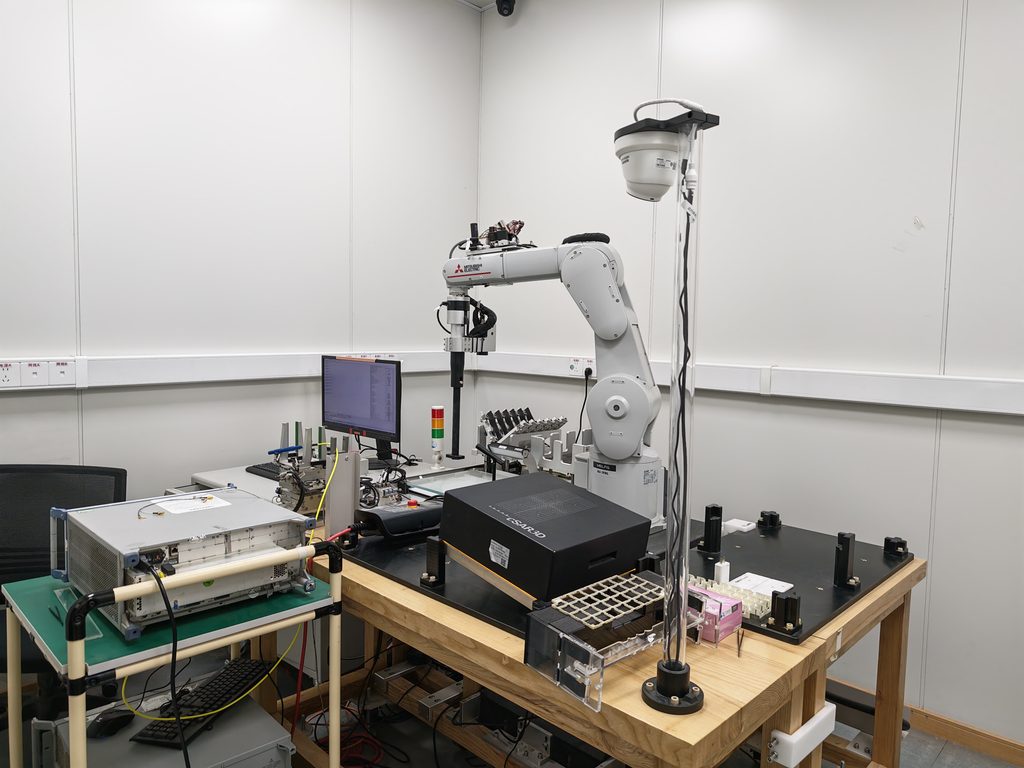
This shift from a “parameter-driven” to a “scenario-driven” product philosophy also reflects how the mid-range smartphone market is moving from pure specification contests toward more nuanced competition based on user experience.
R&D and Supply Chain as Key Advantages
Facing rising storage chip costs and market price pressure, HONOR noted that the X series maintains its competitiveness through strong R&D architecture and supply-chain management capabilities. The brand also made clear that it does not view flagship technologies as an insurmountable barrier — as long as a feature suits the target users of the X series, the company will continue accelerating its introduction.
Overall, the strategy of the HONOR X series does not rely on a single selling point to stand out. Instead, it builds a comprehensive advantage through AI imaging, durable quality, system smoothness, and scenario-based features. For the mid-range market, this may signal that the next round of competition will no longer center solely on “who has higher specs,” but on “who can more accurately solve the problems users face every day.”














Leave a comment