


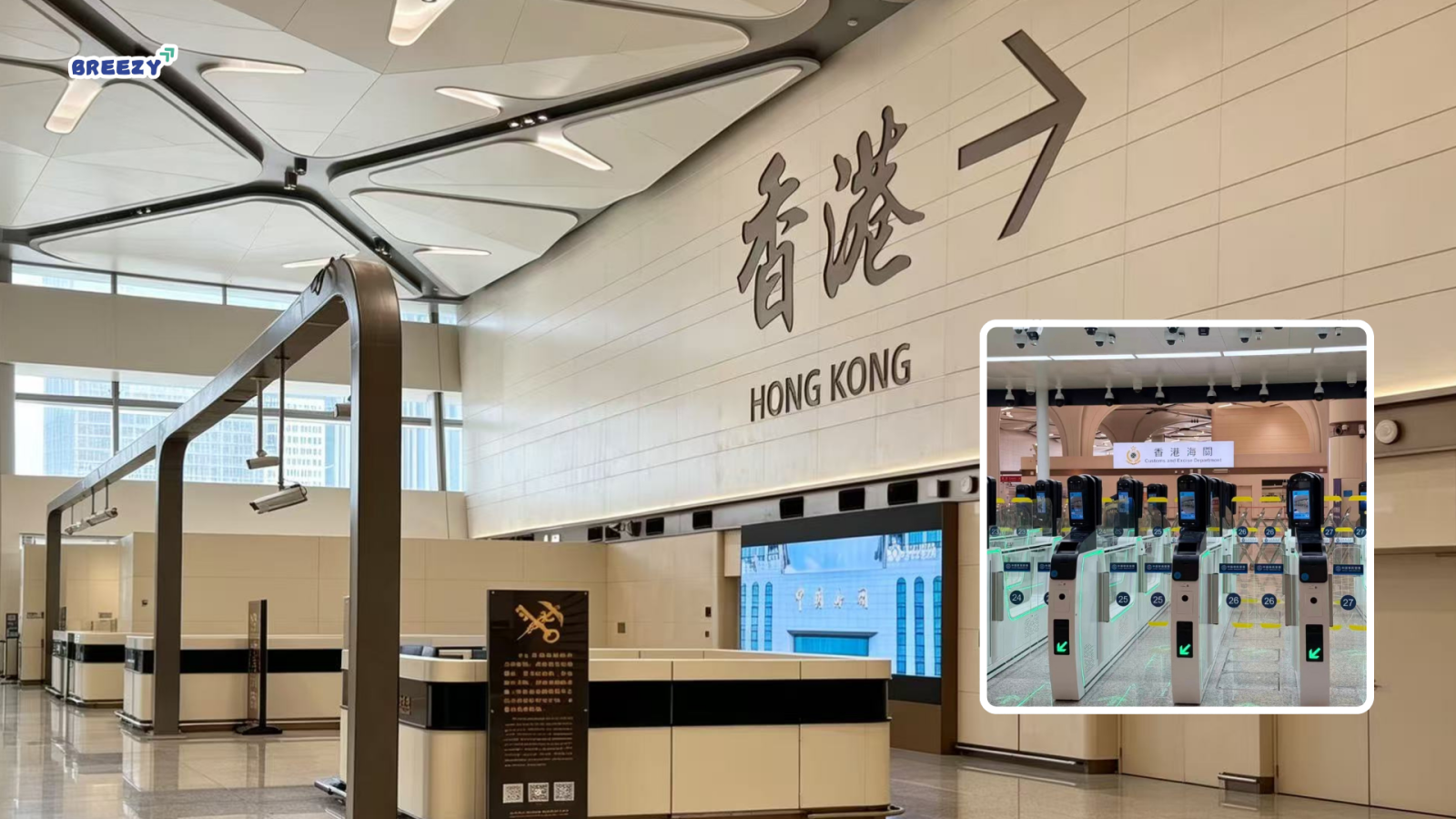
After years of planning and construction, the new Huanggang Port officially opened at 6.30am on Monday, operating around the clock for both passenger and vehicle clearance and opening a new chapter in cross-border travel between Shenzhen and Hong Kong. The old Huanggang Port and Lok Ma Chau Control Point, which had operated for 30 years, as well as the much-loved Huanggang cross-boundary bus service, have formally ceased operations following the new port’s launch.
Security Secretary Chris Tang said operations ran smoothly and systems remained stable on the port’s first day. During the first two hours, when commuter and student traffic peaked, 5,170 passengers crossed the border, up 60 per cent from the same period on an ordinary day. A total of 953 vehicles cleared the border, an increase of about 30 per cent, showing that the new port has effectively eased commuter and traffic pressure between the two cities.
The new port uses five-in-one joint inspection lanes and cooperative inspection counters to provide one-stop clearance across multiple authorities. Self-service passenger channels are largely queue-free, while vehicle clearance has been cut from about 10 minutes previously to as little as two minutes, with waiting times generally under five minutes. Many passengers and drivers praised the new system for being easy to use, clearly signposted and streamlined, eliminating repeated queuing and significantly improving the cross-border experience.
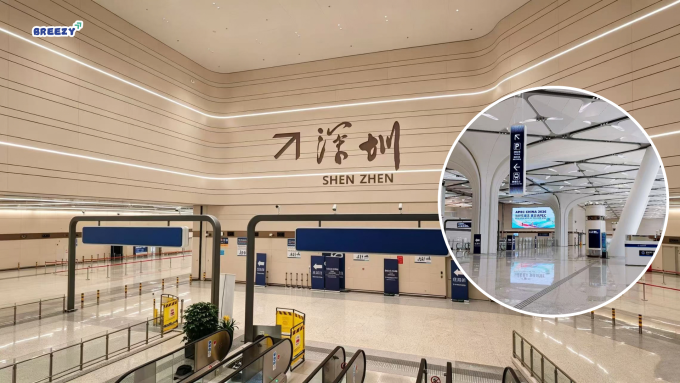
The new terminal has also drawn positive feedback. The arrival and departure halls are spacious and bright, with ample seating, stable Wi-Fi and vending machines selling light refreshments. A large number of service ambassadors were deployed on site to assist passengers and drivers. When one traveller fell ill during the first day of operations, the on-site medical team responded immediately and arranged for the person to be taken to hospital, where their condition was reported as stable. The authorities said staffing and procedures had been enhanced ahead of the coming weekend and the Chongyang Festival holiday to handle peak traffic.
Transport and Logistics Secretary Mable Chan said public transport services had been strengthened across the board. By 8am, about 1,200 northbound passengers and nearly 2,000 southbound passengers had used public transport. Taxis, franchised buses and minibuses serving urban areas and the New Territories were all in operation, while a dedicated pre-booked taxi service point was opened to manage traffic flow with staff and screen systems, helping prevent congestion.
In response to the public’s wish to bid farewell to the Huanggang cross-boundary bus, the authorities increased the final service from three to 10 departures. With the San Tin interchange taking on a new role, three franchised bus routes began providing shuttle services to and from the new port from Monday.
The Highways Department and Transport Department have put in place a comprehensive road signage system, adding 350 permanent signs and 150 temporary signs around San Tin, along with more than 600 information signs at interchanges and terminals. The port area also has ample taxi queues and buffer waiting areas, while pre-booked vehicle fleets provide point-to-point pick-up services to further improve cross-border travel between Hong Kong and Shenzhen.












Leave a comment