


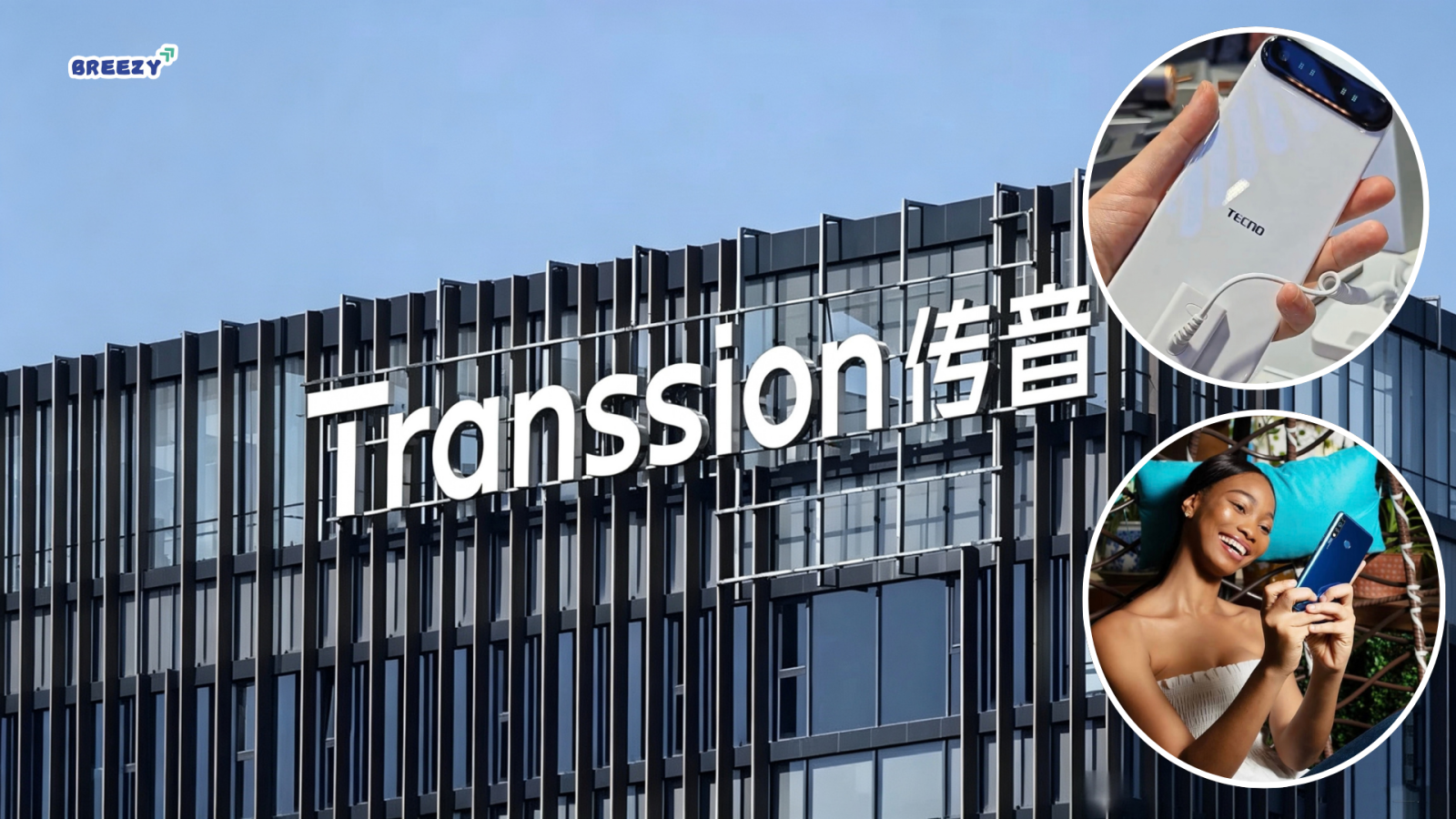
As Chinese companies continue to pursue secondary listings in Hong Kong, Transsion Holdings, Africa’s largest mobile phone supplier, has received approval for its overseas listing filing from the China Securities Regulatory Commission. The company is now only one step away from listing on the Hong Kong Stock Exchange.
Market sources citing IFR information said Transsion is highly likely to launch its public offering this Wednesday, with the fundraising amount expected to range between US$400 million and US$500 million.
According to previous market reports, the company had originally hoped to begin the listing process in September, with an initial fundraising target of as much as US$1 billion. After subsequent adjustments, its current fundraising target has been cut by half. CITIC Securities is acting as the sole sponsor of the listing.
A representative Chinese company expanding overseas, Transsion was founded in 2013. The group has developed three mobile phone brands targeting different customer segments: Tecno, Infinix and itel. It was listed on Shanghai’s STAR Market as early as 2019. According to the regulatory filing announcement, the Hong Kong offering will comprise no more than 132 million new shares, which will be listed and traded on the Stock Exchange of Hong Kong in the form of overseas ordinary shares.
After establishing a long-standing presence in the African market, Transsion has built a significant barrier to entry. A research report by third-party consultancy Frost & Sullivan showed that Transsion held a commanding lead in Africa’s mobile phone market in 2025, ranking first with a market share of 61.5%. The second-largest manufacturer held only 22.5% of the market. Although total mobile phone sales across Africa fell 12.4% year on year to 91.122 million units last year, smartphones accounted for more than 40% of total shipments.
Financially, the group delivered a strong performance in the first half of this year. Preliminary operating data showed that revenue rose 22.6% year on year to more than RMB35.6 billion, while net profit grew even more sharply, climbing 44.8% to RMB1.756 billion.
In response to the cost pressures arising from higher memory chip prices, Transsion adopted a flexible pricing strategy, adjusting product prices according to market positioning and raising the average selling price of its smartphones. Although handset shipments declined slightly, revenue continued to grow. In addition, the delayed impact of costs from inventories purchased earlier also helped lift the company’s overall gross profit margin.
In terms of its ownership structure, founder Zhu Zhaojiang retains control of the group through the dedicated investment holding platform Transsion Investment, which holds nearly half of the company’s voting rights. Among institutional investors, CSAML and Beijing Chuanjiali each hold certain stakes. The remaining shares are widely distributed among investors in the A-share public market, creating an ownership structure in which the founder retains control alongside institutional and retail investors.











Leave a comment